

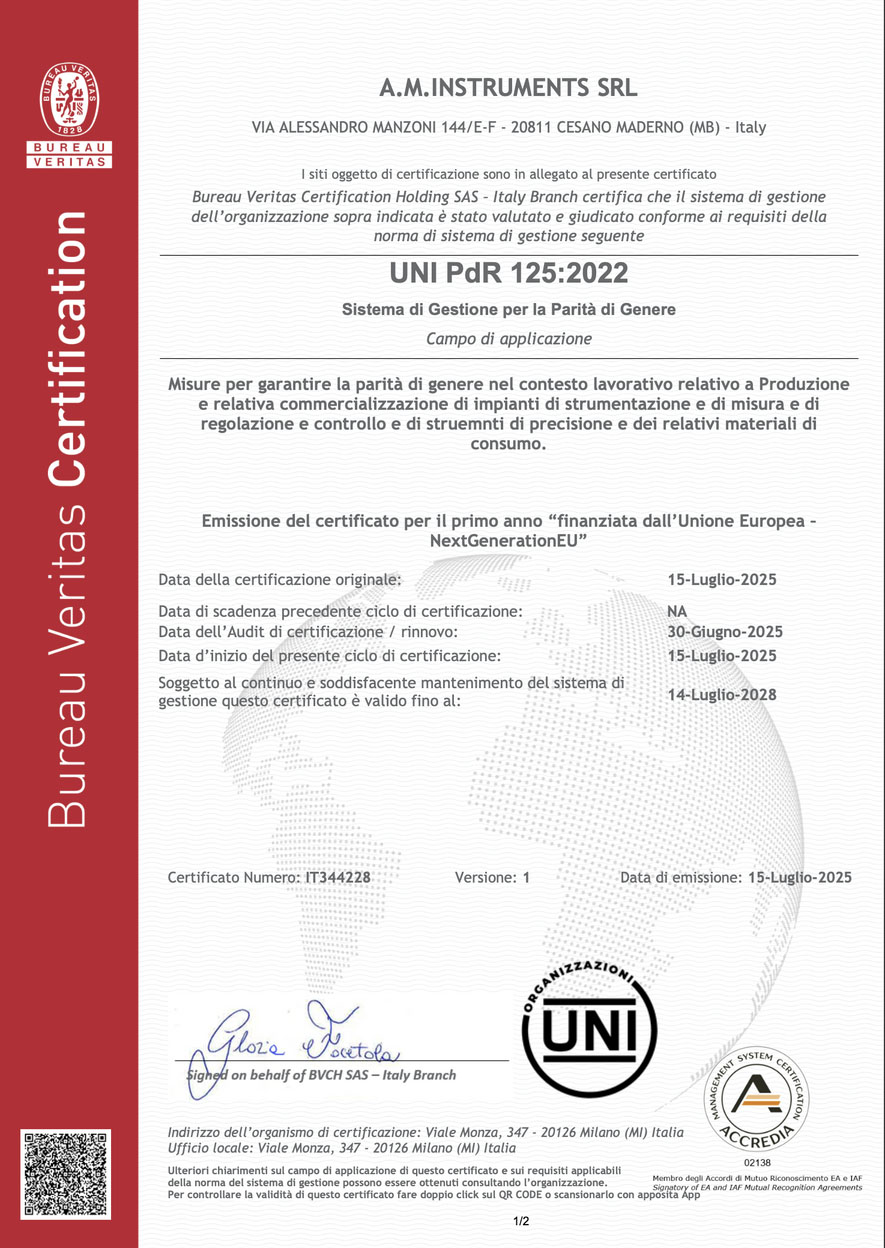
AM has achieved UNI/PdR 125:2022 certification for Gender Equality, a further demonstration of the company's concrete and measurable commitment to building an increasingly fair, inclusive and diversity-friendly work environment.
We met with Marco Orsi (HR Manager) and Chiara De Santis (HR Generalist) who worked personally so that this goal could be realized.
What prompted AM to embark on the path toward UNI/PdR 125:2022 certification?
Joining the path to UNI/PdR 125:2022 certification was a natural choice, consistent with our vision of business as an agent of social change. For us, gender equality is an essential condition to be able to really talk about sustainable development. Certification was therefore not a formal achievement, but an opportunity to structure, measure and systematize a commitment that was already part of our corporate culture.
In addition, data on gender equality in Italy highlights how much work needs to be done on this front. Our country ranks 13th among European countries in terms of gender equality and, until 2023, the female employment rate stood at 56 percent, well below the European average of 70 percent. Numbers that reflect a reality in which there is an urgent need to promote greater awareness and profound cultural change, day by day.
What were the main challenges related to gender equality before the start of the process?
Before the certification journey began, the main challenge was the lack of structured tools to read and address gender equality objectively and strategically. As is the case in many organizations, we were in a situation where there was no obvious formal discrimination, but lacked a systemic vision. We realized that without data, indicators and active listening, the risk is to rely on perception, which is often not enough to generate change. The certification process provided us with the methodology to turn intent into action, and action into organizational culture.
How does certification fit into your sustainability or DE&I strategy?
Certification is one of the pillars of our integrated sustainability strategy, which considers environmental, social and governance dimensions as part of a single ethical system.
Sustainability and equality have something in common: the future of all of us. According to our thinking, sustainability strategy cannot be separated from successful practices aimed at D&I issues.
Sustainability by its very nature means meeting the needs of the present generation without compromising the ability of future generations to realize their own. It is therefore essential to look forward, to look beyond, to a future that includes an environment that is both sustainable and equitable.
What were the key steps in achieving certification? What tools or indicators (KPIs) did you use to measure progress?
Obtaining UNI/PdR 125:2022 certification required articulated work, which we approached with a gradual but determined approach. The first step was to carry out a thorough analysis of the starting situation: we collected data, mapped processes and compared our reality with the requirements of the standard.
Subsequently, we established an internal committee dedicated to Diversity & Inclusion, which was involved in defining goals and priority actions. In parallel, we initiated a widespread training program, targeting all levels of the organization, to strengthen awareness and create a shared language.
Another crucial step was the work of revising and formalizing company policies so that they consistently reflected the principles of equity and inclusion.
Finally, we activated monitoring and reporting tools that would allow us to measure results and prepare solidly for the certification audit.
How were staff involved in the certification process? Did you administer questionnaires or conduct focus groups? What results have emerged?
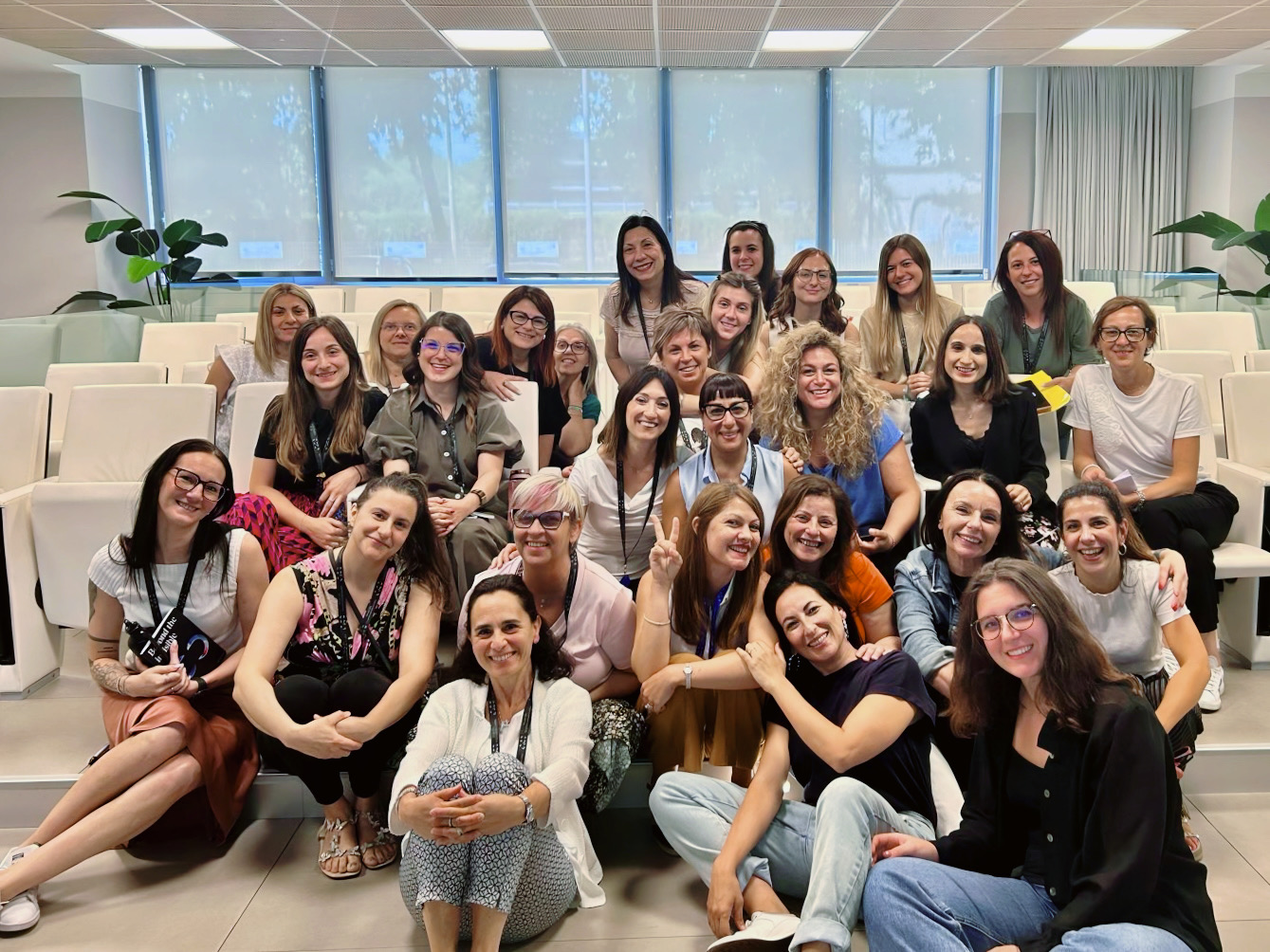
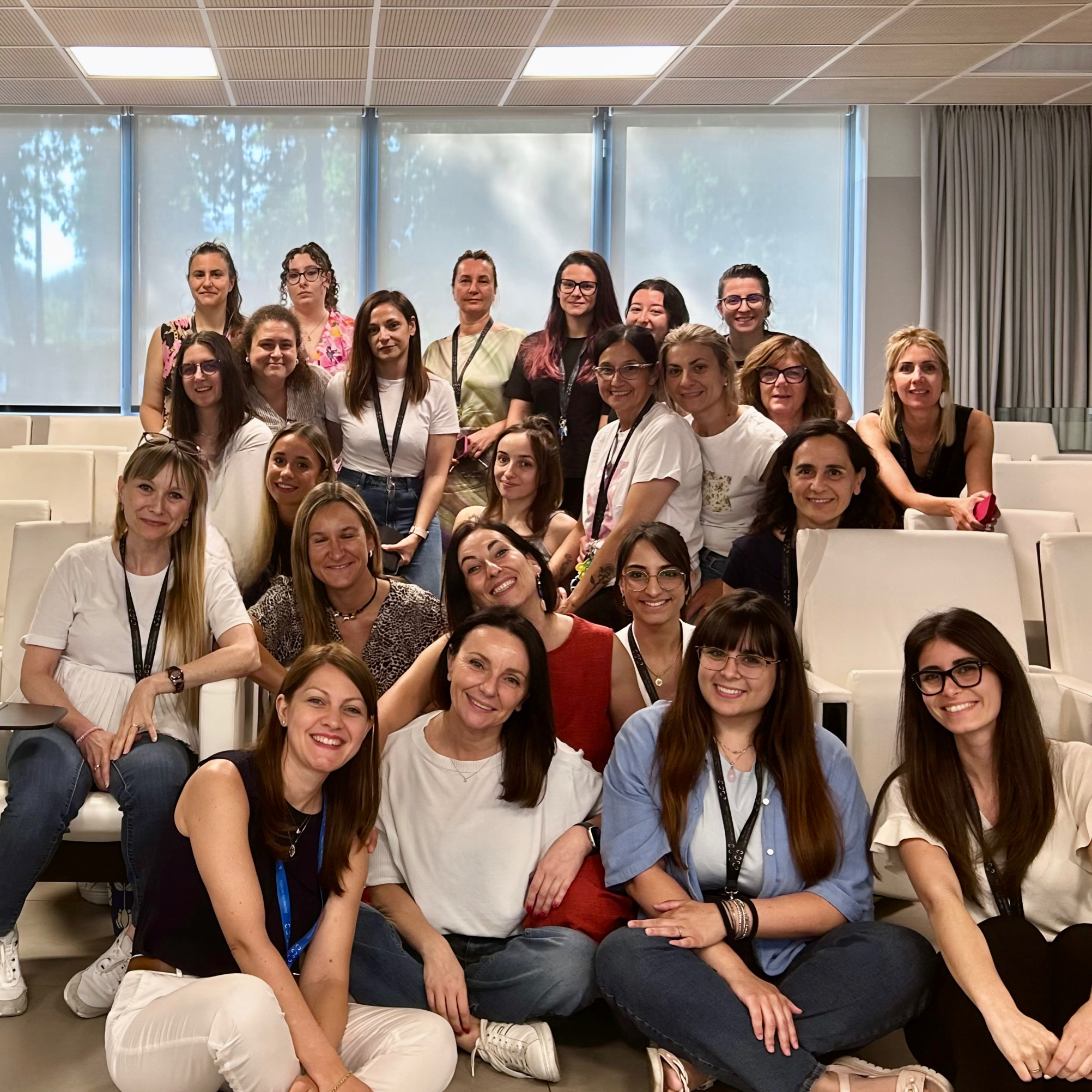
Involving people has been one of the most important and distinctive aspects of our journey. We chose early on not to approach certification as a process "dropped from above," but as a collective opportunity for growth.
We activated training and awareness-raising moments aimed at the entire corporate population so that everyone could understand the deep meaning of the path and their role within it.
We listened to people through surveys and created safe spaces where they could express themselves, bring experiences and propose improvements.
In addition, we involved cross-functional figures in the establishment of the D&I Committee, ensuring real representation of different business functions and sensitivities.
The result was a climate of genuine participation, which made the course not only more effective, but also more shared and ingrained in the organizational culture.
What initiatives have been taken to promote a culture of gender equality?
For us, promoting a culture of equality does not only mean complying with normative criteria, but above all acting on the shared mentality and language. For this we have activated several initiatives, some structural, others more symbolic but with a strong cultural impact.
We have adopted a Corporate D&I Policy, which defines principles, commitments and responsibilities to ensure a fair, inclusive and respectful of differences work environment so that it can become a benchmark for all functions and the management of all processes.
We then structured a plan for the prevention of violence and harassment at work that includes information activities, confidential reporting channels, a clear procedure for handling reports, and training sessions on respecting relationships in professional settings.
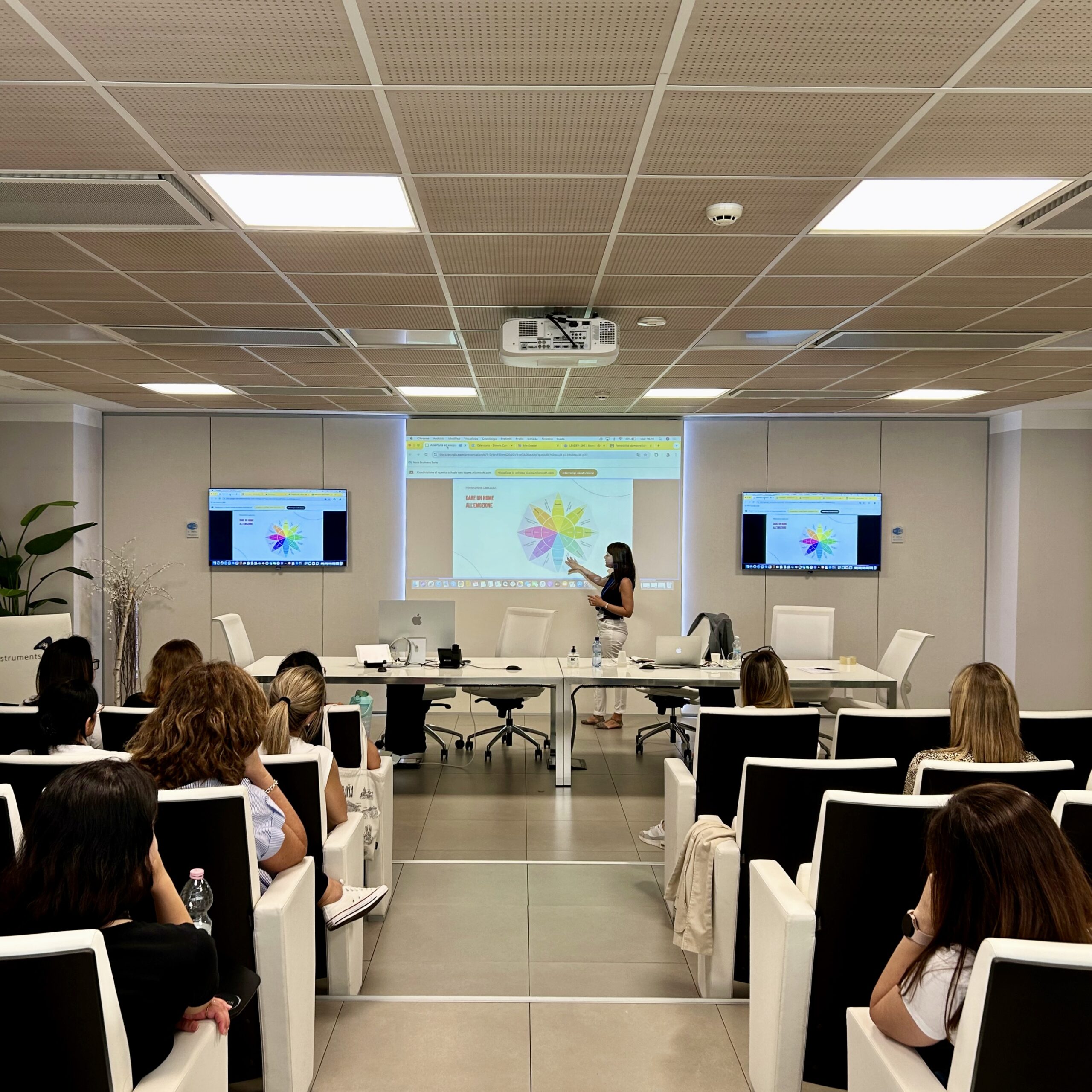
At the same time, we have activated a collaboration with Dragonfly Foundation with which we have involved the entire corporate population-regardless of role-in paths dedicated to gender awareness, gender stereotypes and inclusive language in addition to an important women's empowerment and awareness-raising path against gender-based violence.
The goal is to ensure that equality is not a statement of intent, but a daily practice, visible in processes, behaviors and shared values.
What are the next goals in gender equality?
After achieving certification, our journey toward gender equality continues with a concrete and structured commitment. We want equality not to remain a formal goal, but to become an integral part of our culture and business processes. This is why we are working on several fronts: from further reducing the gender pay gap, with careful analysis and targeted interventions to ensure more and more pay equity, to adopting inclusive language in all internal and external communication that can reflect the values of respect and openness that we want to promote.
We are also evolving the performance appraisal system, introducing new criteria and indicators that reward inclusive behavior and leadership, and aiming to train our managers to be the prime movers of this cultural change.
Finally, we are committed to strengthening welfare and reconciliation policies, with special attention to parenting, supporting people through dedicated regulations, support for return after leave and organizational flexibility. We also do not neglect the prevention of harassment and inappropriate behavior through ongoing training.
This is all part of our vision of an inclusive company, in which each person can reach his or her fullest potential and contribute to collective success.