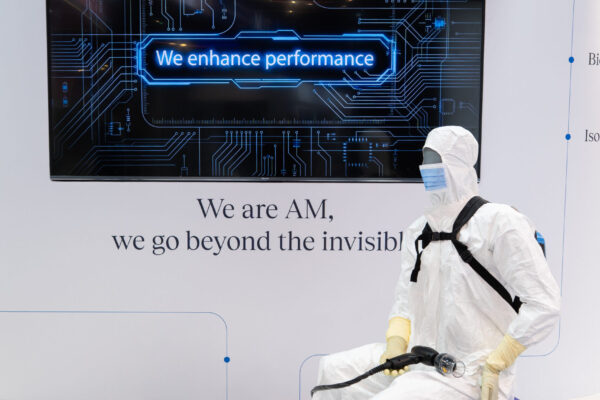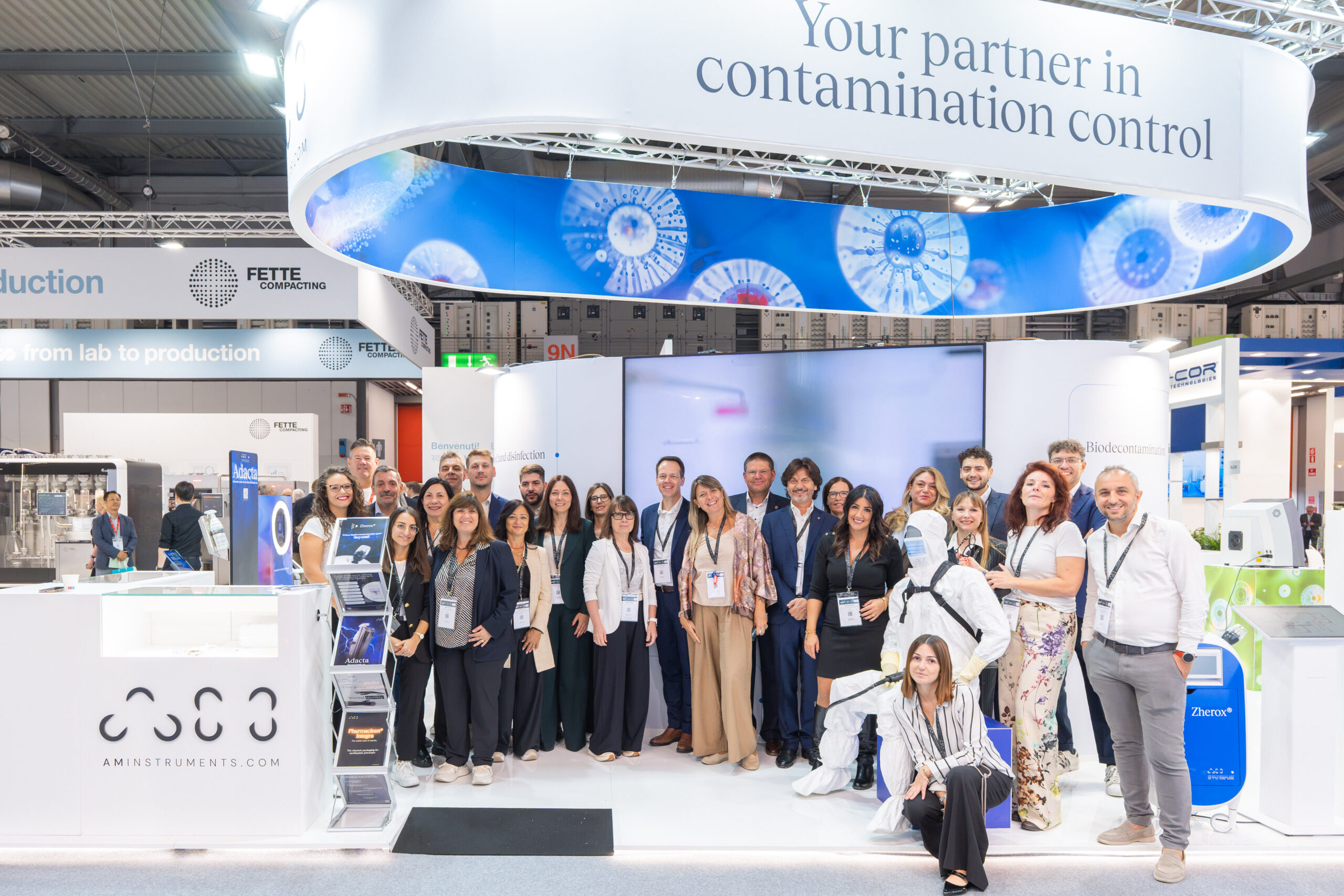
From October 6 to 8, 2026, Milan once again hosted CPhI Worldwide, one of the leading international events dedicated to the pharmaceutical, biotechnology, and life sciences industries. The event brought together companies, professionals, and stakeholders from around the world, offering an important opportunity to discuss the challenges and opportunities that are reshaping the sector.
For AM, this edition held special significance, as it marked the company’s first participation in CPhI as part of the Schülke Group. This setting allowed the company to present a broader, more integrated vision designed to support the needs of pharmaceutical companies operating in controlled-contamination environments.
An Integrated Solution for Critical Environments
Changes in the regulatory framework and rising expectations regarding quality, safety, and sustainability call for increasingly structured approaches to contamination management. In this context, collaboration among the group’s companies makes it possible to provide complementary expertise and solutions that cover various stages of the production process.
During the event, visitors had the opportunity to learn more about technologies and services designed for the prevention and control of microbiological contamination, the management of sterile environments, and the biodecontamination of critical areas, with a focus on regulatory compliance and operational efficiency.
Biodecontamination Technologies
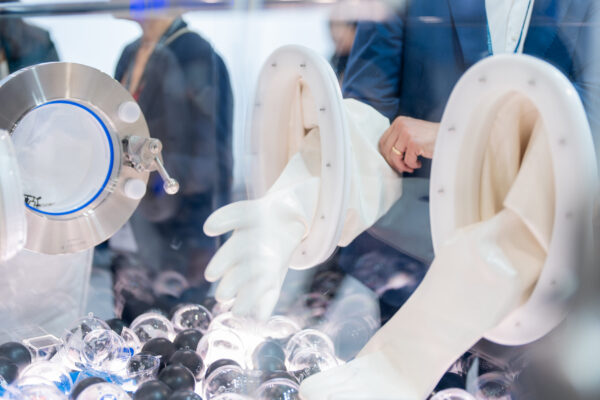
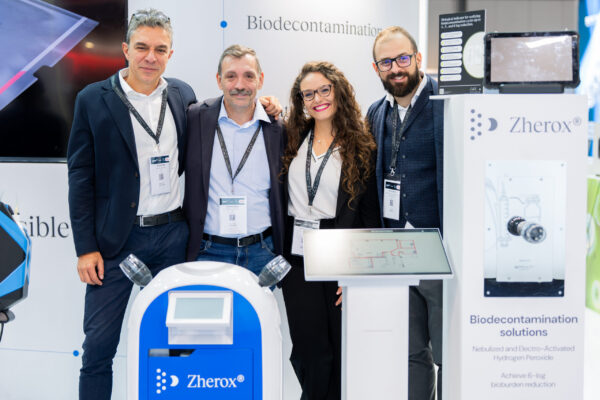
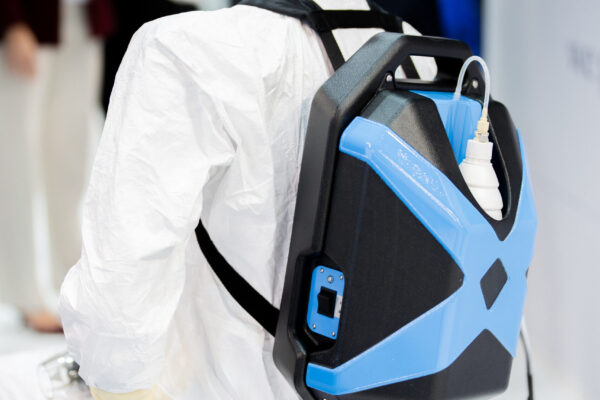
Among the solutions presented by AM, the technologies in the Zherox® line—developed for the biodecontamination of cleanroom, isolators, pass-boxes, and other critical production areas—generated particular interest.
Discussions with industry professionals and specialists have confirmed the growing interest in systems capable of simplifying biodecontamination processes while ensuring high safety standards, process repeatability, and support for GMP compliance.
Contamination Control Strategy: From Concept to Practice
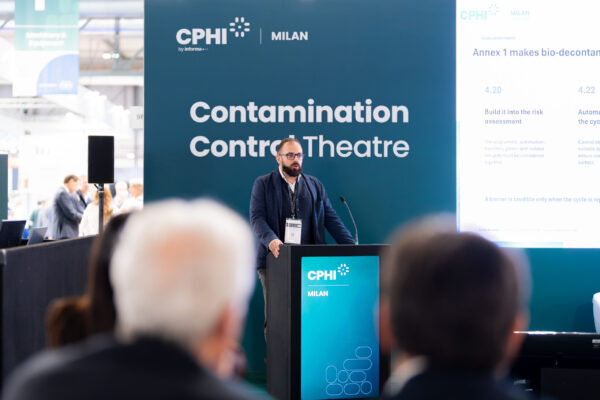
One of the most discussed topics at CPhI 2026 was the role of the Contamination Control Strategy (CCS), which is now a central element in the management of sterile manufacturing and the implementation of Annex 1 requirements.
The effectiveness of a CCS depends, in fact, on the integration of various preventive and corrective measures, including:
- cleaning agents and disinfectants for controlled environments;
- systems and materials for sterile packaging;
- biodecontamination technologies;
- validation and technical support activities;
- Staff training and continuing education.
The industry’s focus is shifting increasingly from individual solutions to a coordinated approach to managing the entire contamination control cycle, with the goal of reducing risks and improving the reliability of production processes.
Innovation and Sustainability
Among the key trends that emerged during the event were digitalization, energy efficiency, and process sustainability.
Companies in this sector are now called upon to balance high-quality standards with goals of operational optimization and reducing environmental impact. In this context, technologies that enable more effective process monitoring, remote management of operations, and optimized use of resources can make a tangible contribution to achieving these goals.
An opportunity for dialogue with the industry
In addition to showcasing technologies, the value of CPhI lies in the opportunity to engage directly with pharmaceutical manufacturers, technology partners, and industry professionals. The numerous meetings held during the event highlighted a growing focus on solutions that promote compliance, operational continuity, and risk management in critical environments.
Participation in CPhI Milan 2026 thus provided an important opportunity to listen and exchange ideas, offering useful insights into the market’s future needs and the directions in which the life sciences sector is evolving.